.png)
What Farmers Do in the Winter: Beyond the Harvest Season


When we think of farming, we often associate it with the warmer months of the year when farmers are busy cultivating crops and tending to their livestock under the sunny sky. However, farming is a year-round job, and when winter rolls around, farmers have a new set of critical tasks to complete to ensure their farms remain operational. In this blog post, we will explore what farmers do in the winter, from maintaining their equipment to planning for the upcoming growing season.
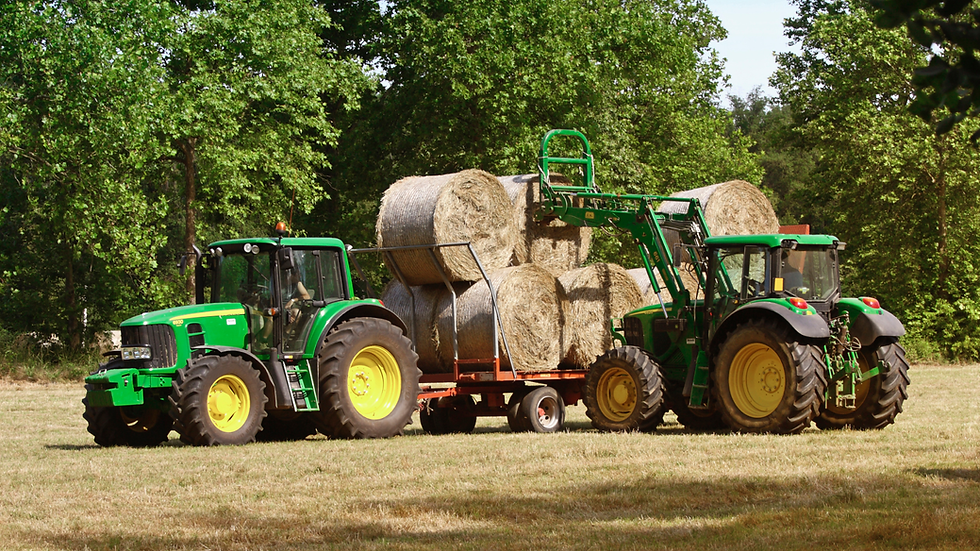
While the winter season is a time when most people stay indoors, farmers are out in the fields working just as hard as ever. One of the essential tasks that farmers undertake during the winter months is caring for their equipment. Tractors, plows, and other machinery are integral to a farmer's livelihood, and keeping them in good condition is critical. Farmers spend time cleaning and lubricating their equipment, checking for any needed repairs, and storing it properly so that it is ready for use in the spring.
Another critical winter task for farmers is to focus on the business side of their operations. While growing crops and raising animals is the core of what farmers do, managing the finances behind their farms is critical to keep them running smoothly. Farmers use this time to review their profits and losses of the previous year, prepare tax documents, and make necessary financial adjustments for the upcoming year. Year-end reviews of insurance policies, lease agreements, and other financial data helps farmers ensure that their operations are in order when the spring comes around.
Planning for the following season is another critical task that farmers take on during the winter months. They analyze the previous year's crop yields, review any pest or disease concerns, and decide what crops they will grow in the next planting season. This planning includes buying seeds, fertilizers, and equipment for planting, but it also involves crop rotation scheduling, irrigation planning, and other factors that will contribute to the success of the upcoming growing season.
During the winter, farmers also take time to care for their animals. Livestock require protection from the cold, so farmers ensure all animal housing structures have proper insulation and temperature control supplies. They can use this opportunity to maintain these structures, ensuring they are safe and secure for their animals. Additionally, farmers use this time to breed their animals correctly, before the onset of the spring season.
Farming is more complex than just planting, harvesting, and raising livestock. Behind the scenes, there is a great deal of planning, organizing, and managing that goes on, which is just as important as the daily farm tasks. Winter gives farmers enough downtime to sort their finances, care for their animals, and prepare for the next growing season. The hard work done by the farmers in winter ultimately ensures that they will have productive and healthy farms, once the spring season arrives.