.png)
Year-End Tax Tips for Midwest Farmers: Maximizing Deductions on Equipment Purchases in 2025

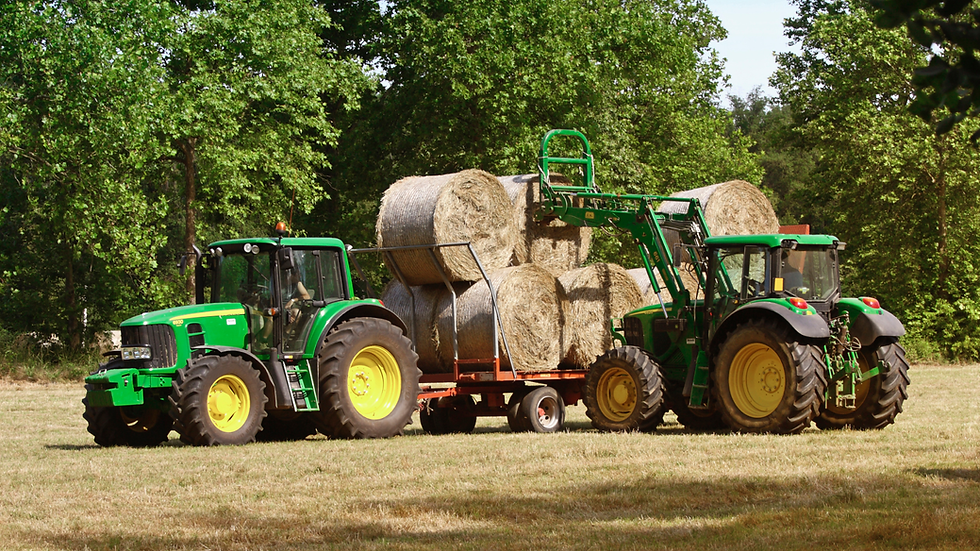
As December 2025 brings the chill of winter across the Midwest—blanketing Missouri's rolling Ozarks, Kansas' expansive prairies, Arkansas' fertile deltas, and Oklahoma's rugged plains—farmers are wrapping up the year with one eye on the books. At Clines Equipment in Aurora, MO, we've been supporting Midwest ag operations for over 35 years through auctions, sales, and recovery services. With commodity prices volatile and input costs steady, smart tax strategies can turn equipment investments into significant savings. In this guide, we'll break down key 2025 tax deductions for farm and industrial machinery, tailored to regional needs like upgrading tractors for no-till practices or trailers for livestock hauls. Drawing from the latest IRS updates and industry insights, these tips can help you minimize your tax bill and reinvest in your farm. Whether you're eyeing our winter consignment auction or browsing inventory, let's make year-end planning pay off—because every dollar saved fuels your 2026 success.
Understanding Section 179: Your Fast-Track Deduction for Equipment
Section 179 remains a powerhouse for farmers deducting the full cost of qualifying equipment in the year of purchase, rather than depreciating over time. For 2025, the deduction limit has been boosted to $2,500,000 under the One Big Beautiful Bill Act (OBBBA), with a phase-out threshold starting at $4,000,000 in purchases (adjusted for inflation). This is ideal for Midwest farmers acquiring tractors, cultivators, dispensers, or trailers to handle diverse crops like corn and soybeans.
Key Perks for Midwest Ops:
Immediate Write-Off: Deduct up to $2.5M on new or used gear placed in service by December 31, 2025—perfect for replacing worn-out machinery amid harsh winter storage.
Regional Relevance: In states like Missouri, where equipment must endure freeze-thaw cycles, use this for durable upgrades like precision ag tools that qualify fully.
Limits and Carryover: If purchases exceed the threshold, the deduction phases out dollar-for-dollar, but excess can carry forward.
Leveraging Bonus Depreciation: Accelerated Savings on Big Buys
Bonus depreciation allows you to deduct a percentage of the cost in the first year, even beyond Section 179 limits. For 2025, recent legislation has restored 100% bonus depreciation permanently for qualifying property, including farm equipment acquired after January 19, 2025. This is a game-changer for large-scale Midwest farms investing in industrial gear like combines or heavy-duty trailers.
Why It's Essential in the Heartland:
Full Deduction Potential: Write off 100% of costs for new assets (used may qualify under certain rules), helping offset income from bumper harvests in Kansas wheat fields or Oklahoma cattle operations.
Phase-Out Avoided: Unlike prior years' reductions (e.g., 60% proposed earlier), the full 100% applies, but act before year-end to lock in.
Stacking Strategy: Use Section 179 first for smaller items, then bonus on the rest—maximizing deductions without recapture risks.
Note: Structures like barns don't qualify, but attached machinery often does. Always verify with IRS Pub 225 for farm-specific rules.
Other Deductions and Credits to Boost Your Bottom Line
Beyond the big two, explore these for comprehensive savings:
Standard Depreciation (MACRS): For non-bonus items, use the Modified Accelerated Cost Recovery System—7-year class for most farm machinery, with options for 200% declining balance.
Business Mileage: Deduct 70 cents per mile for equipment-related travel, like hauling to auctions in Arkansas.
Energy Credits: For sustainable upgrades like electric tractors or solar-powered dispensers, claim up to 30% under the Inflation Reduction Act—aligning with Midwest's push for green ag.
Repair vs. Capitalize: Deduct routine maintenance immediately, but capitalize major improvements for depreciation.
In volatile markets, these can shield income—especially with 2025's net farm income projections steady but pressured by costs.
Year-End Strategies: Timing Purchases and Planning Ahead
To optimize:
Buy Before December 31: Equipment must be "placed in service" by year-end to qualify—our recovery services can transport nationwide quickly.
Audit Your Fleet: Inventory idle gear; consign at our auctions for cash to fund deductible buys.
Work with Pros: Partner with accountants familiar with ag taxes—avoid audits by documenting thoroughly.
Financing Integration: Low-interest loans amplify deductions; deduct interest too.
Look to 2026: With trends like AI retrofits, plan purchases that qualify for ongoing incentives.
Your December Tax Prep Checklist for Farm Equipment
Review purchases: List qualifying items and costs.
Calculate deductions: Use Section 179 first, then bonus.
Gather docs: Invoices, financing agreements, usage logs.
Consult experts: Schedule with your CPA and us for equipment options.
Act fast: Bid at auctions or buy inventory before cutoff.
File accurately: Use IRS forms like 4562 for depreciation.
Wrap Up 2025 Strong with Clines Equipment
December is your prime window for tax-smart moves—don't let deductions slip away! Whether you're consigning old equipment for cash or snagging deals on new gear, Clines Equipment is your Midwest partner. With family-owned expertise in auctions, sales, and recovery, we're here to help you navigate.